Introduction to Roof Cladding
Roof cladding refers to the various materials used to cover the roof structure of a building, serving both functional and aesthetic purposes. It plays a critical role in safeguarding a structure against environmental elements such as rain, snow, wind, and sunlight. By providing a barrier, roof cladding helps to prevent moisture from infiltrating, thus contributing to the overall durability and longevity of the construction.
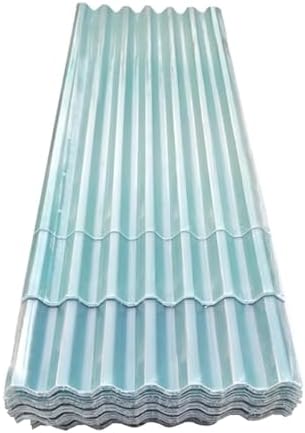

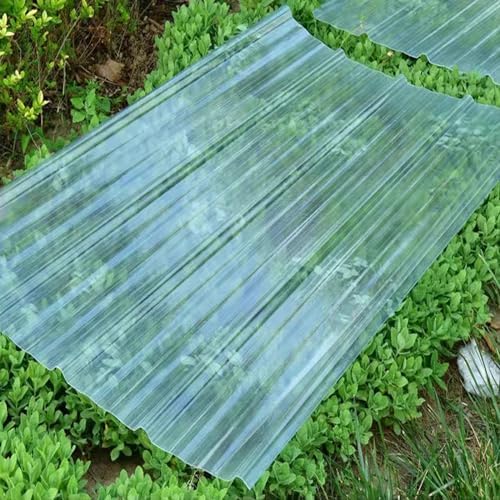





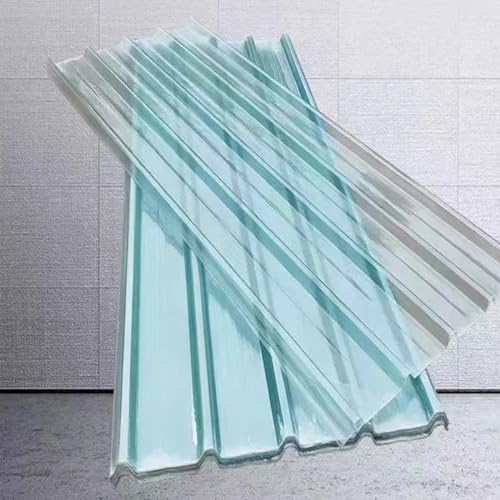


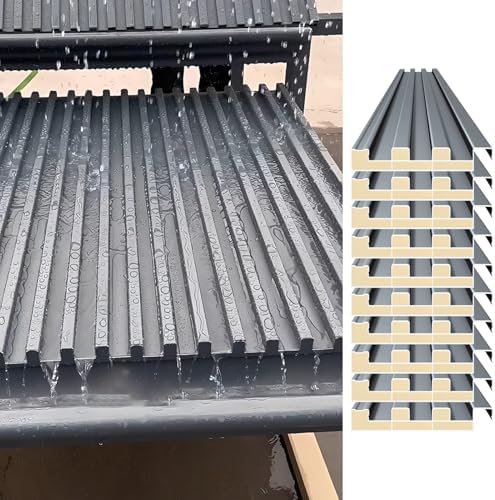
The selection of roof cladding is crucial and should be influenced by multiple factors. Climate is one of the predominant factors; for instance, regions exposed to heavy rainfall or snow may benefit from durable materials that can withstand significant weathering. In contrast, areas with more temperate weather might afford more flexibility in material choice, allowing for a broader aesthetic range.
Another factor to consider is the architectural style of the building. The roof cladding material should complement the overall design and aesthetics of the property. Traditional homes often favor materials like slate or clay tiles, while modern constructions might lean towards metal sheeting or synthetic options. Durability, maintenance requirements, and insulation properties are also key considerations that impact the choice of cladding materials.
Furthermore, local regulations and building codes can dictate specific materials that are acceptable for roof cladding in certain areas. It is essential for builders and homeowners alike to understand these restrictions to ensure compliance and enhance the safety and efficiency of their roofing systems. Thorough research and consideration of these diverse factors can lead to informed decisions that fulfill both functional and visual objectives for any roofing project.
Common Types of Roof Cladding Materials
When it comes to roofing, selecting the appropriate cladding material is essential, as it directly influences the durability, insulation, and aesthetic appeal of a building. Here, we discuss several common types of roof cladding materials, each with unique characteristics, advantages, and disadvantages.
Asphalt Shingles: One of the most popular roofing materials, asphalt shingles are favored for their affordability and ease of installation. They are available in various colors and styles, making them suitable for a range of architectural designs. However, they typically have a shorter lifespan compared to other materials, and their performance can be compromised in extreme weather conditions.
Metal Panels: Metal cladding is becoming increasingly popular due to its longevity and resistance to harsh weather. Available in aluminum, steel, and copper, metal roofs are typically lightweight, fire-resistant, and require minimal maintenance. One downside is that they can be more expensive initially, and their installation requires specialized knowledge.
Clay and Concrete Tiles: Known for their durability and classic appearance, clay and concrete tiles are ideal for climates that experience extreme temperatures. These materials are heavy and can be costly, but they offer significant thermal insulation and are resistant to rot and insects. A potential drawback is the need for a robust roof structure to support their weight.
Wood Shakes and Shingles: Wood cladding provides a natural aesthetic and is often made from cedar. While these materials can be energy-efficient and provide great insulation, they require regular maintenance to protect against rot and pests. Additionally, their susceptibility to fire can be a concern.
Slate: Renowned for its elegance and durability, slate is a high-end roofing material that can last for over a century with proper care. However, it is both heavy and expensive, requiring skilled installation. If budget allows, slate offers an unmatched aesthetic appeal and longevity.
Understanding these common roof cladding materials aids homeowners in making informed choices based on their budget, aesthetic preferences, and the specific needs of their property.
Specialized Roof Cladding Options
When considering roof cladding materials, specialized options can provide distinctive aesthetic and functional benefits. Among these are slate, clay tiles, thatch, and green roofs—each with unique characteristics and requirements that can enhance the overall appeal and sustainability of a building.
Slate roofs are known for their longevity and timeless beauty. Made from natural stone, they are highly durable and resistant to weathering. The rich, textured appearance of slate contributes to an elegant and classic finish suitable for various architectural styles. However, the installation of slate roofing can be labor-intensive, requiring specific expertise to ensure proper alignment and safety.
Clay tiles offer another specialized option, renowned for their distinctive appearance and durability. Available in various colors and designs, clay tiles can lend a Mediterranean or rustic charm to buildings. They are resistant to moisture and pests, thereby providing excellent longevity. Nonetheless, like slate, clay tiles necessitate a well-designed roofing system to handle their weight and ensure effective drainage.
Thatch roofing, although less common, is an environmentally friendly option made from grass, reeds, or straw. It provides excellent insulation and can create a unique, warm aesthetic that blends harmoniously with natural surroundings. The main challenge with thatch roofs is the need for regular maintenance to prevent decay and ensure longevity, as well as their susceptibility to fire and pests.
Finally, green roofs represent an innovative approach to roofing that integrates vegetation into the building design. These systems not only enhance aesthetic appeal but also improve energy efficiency, reduce stormwater runoff, and support local biodiversity. However, specialized installation techniques and ongoing maintenance efforts are essential to ensure the health of the plants and the structural integrity of the roof.
Conclusion: Choosing the Right Roof Cladding for Your Home
Choosing the right roof cladding material is a critical decision that impacts both the functionality and aesthetic appeal of a home. As discussed throughout this blog post, various types of roof cladding materials offer diverse benefits and considerations. From traditional options like shingles and tiles to more modern solutions such as metal or composite materials, each choice brings a unique set of attributes that cater to different needs.
When selecting roof cladding, homeowners should consider several key factors. Firstly, the local climate plays a significant role. For example, in areas with heavy rainfall, durable materials with high waterproofing capabilities, such as metal or slate, may be preferable. Conversely, in warmer climates, materials with excellent insulating properties can contribute to energy efficiency, reducing cooling costs in the long run.
Budget is another crucial aspect to take into account. The cost of materials varies widely, and it is essential to find a balance between financial feasibility and desired quality. Homeowners should also evaluate the longevity of the materials; investing in durable options may result in long-term savings, as they often require less maintenance and replacement.
Aesthetic considerations should not be overlooked. Roofing materials are available in numerous styles, colors, and textures that can significantly influence a home’s visual appeal. Homeowners should ensure that their choice complements the overall architecture and landscaping of their property.
Ultimately, it is advisable to conduct thorough research and consult with professionals to make an informed decision. By understanding the strengths and weaknesses of various roofing materials, homeowners can select the roof cladding that best meets their functional needs, budget, and personal style preferences. This careful consideration can result in a roof that not only enhances the beauty of the home but also provides lasting protection against the elements.