- **** THIS DOMAIN NAME IS FOR SALE *** ******* LIST OF DOMAIN NAME PRICES —AT ABSHOT.COM
- Tecta America Corporation
A leading roofing contractor with a global presence, specializing in commercial and industrial roof cladding solutions.
Website - Firestone Building Products
Renowned for their roofing systems, including metal and membrane cladding, serving numerous countries worldwide.
Website - IKO Industries Ltd.
A global manufacturer and installer of roofing and waterproofing products, including various cladding options.
Website - Sika Group
An international company providing roofing, sealing, and cladding solutions for large-scale projects across the globe.
Website - BMI Group
Specializes in innovative roofing and waterproofing solutions, including metal and composite cladding systems worldwide.
Website - Duro-Last Roofing Inc.
Known for custom-fabricated roofing and cladding systems with a strong international footprint.
Website - Alumasc Group
Offers a range of cladding and roofing products with projects spanning multiple continents.
Website - Kingspan Group
A global leader in insulated panels and cladding solutions for commercial buildings worldwide.
Website - Bauder Ltd.
Provides comprehensive roofing and cladding services across various countries, focusing on sustainable solutions.
Website - IKO Industries Ltd.
An international provider of roofing membranes and metal cladding systems with extensive project experience globally.
Website
Understanding the Different Types of Roof Cladding
When it comes to selecting the most suitable roof cladding for residential buildings, homeowners face a diverse array of options, each offering distinct characteristics, benefits, and aesthetic appeal. The primary types of roof cladding materials include tiles, metal, asphalt shingles, wood shakes, and slate, each contributing unique advantages to the construction and performance of a roof.
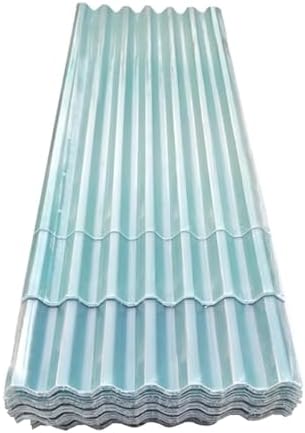
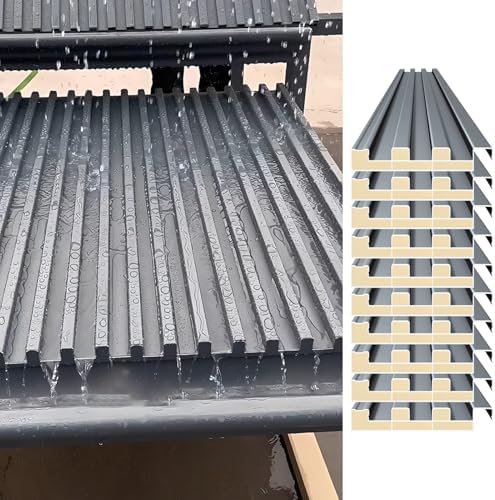
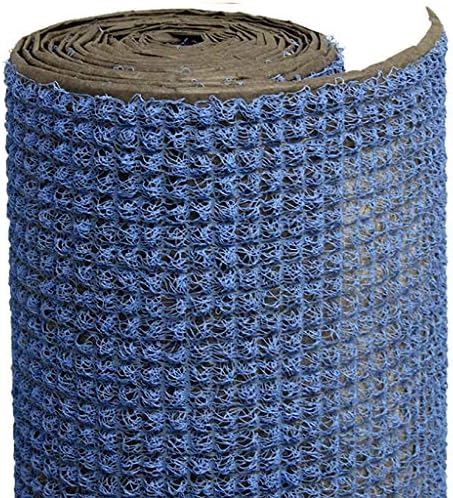
Tile roofs are often regarded for their durability and aesthetic appeal. Commonly made from clay or concrete, tiles are resistant to rot, pest infestations, and fire, making them ideal for various climates. However, they can be heavier than other options and require a strong underlying structure. Furthermore, they come in various styles and colors, allowing for customization that can enhance the property’s curb appeal.
Metal roofing is another popular choice, known for its longevity and energy efficiency. Available in materials such as steel, aluminum, and zinc, metal cladding can withstand extreme weather conditions, including heavy snow and strong winds. Additionally, metal roofs reflect solar heat, contributing to lower energy costs. The lightweight nature of metal makes it a favorable option for homes with limited structural support.
Asphalt shingles are widely used in residential buildings due to their affordability and ease of installation. This roof cladding variant is made from a fiberglass mat coated with asphalt, providing waterproof protection. Although asphalt shingles have a shorter lifespan compared to tile or metal, advancements in technology have improved their durability, making them a sensible choice for many homeowners.
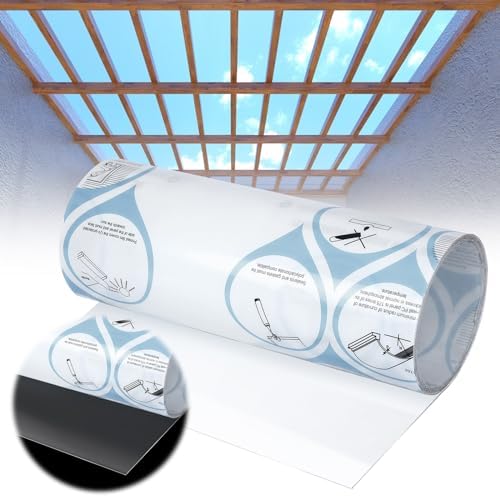
Wood shakes offer a natural aesthetic appeal, appealing to those who desire an organic look for their roofing. However, maintenance is crucial, as wood is susceptible to rot and insect damage. Lastly, slate roofing, while expensive, boasts unparalleled longevity and resistance to the elements. Its natural beauty and timeless appeal make it a coveted choice for many, particularly in upscale residential projects.
Factors to Consider When Choosing Roof Cladding
Selecting the right roof cladding for your home is a significant decision that can influence both the aesthetic appeal and functional performance of your property. Several key factors must be meticulously evaluated to ensure an optimal choice that caters to your specific needs.
Firstly, one of the most critical considerations is the local climate. Roof cladding materials vary in their ability to provide insulation and withstand weather extremes such as heavy rain, snow, or intense sun. For instance, metal roofing can be advantageous in warmer climates due to its reflective properties, while slate can offer exceptional durability in regions prone to harsh winters. It is vital to choose a material that is well-suited for the environmental conditions of your area, thereby enhancing energy efficiency and minimizing potential weather-related damages.
Aesthetic preferences also play a significant role in the selection process. The chosen cladding should harmonize with the architectural style of your home. Whether it is a contemporary design or a classic one, materials such as timber, tiles, or synthetic options can each offer unique visual impacts. For example, rustic wooden shingles may perfectly complement a country-style home, while sleek metal panels might align better with modern designs.
Budget constraints are another critical factor. The cost of materials, combined with labor expenses associated with installation, can vary widely based on the type of cladding chosen. Homeowners should assess long-term value and potential maintenance requirements as well. For example, while natural stone may come with higher upfront costs, its longevity and low maintenance demands could render it a more economical choice over the years.
In addition, the maintenance requirements of different materials must be taken into account. Some cladding options may require regular upkeep to prevent deterioration, whereas others may offer greater resilience, reducing the frequency of repairs needed. For instance, vinyl siding is known for its low-maintenance characteristics, making it a popular choice among busy homeowners.
Comparing Costs and Lifespan of Roof Cladding Options
When selecting roof cladding for your house, understanding both the costs and the expected lifespan of various materials is essential. Different roofing options offer various benefits and challenges, making it crucial to weigh these factors against your budget and personal preferences.
Initially, the cost of installation varies significantly depending on the material chosen. For example, asphalt shingles are often viewed as a budget-friendly option, with an average installation cost ranging from $90 to $100 per square. In contrast, metal roofing can cost between $700 to $1000 per square but can yield better longevity. On the higher end, slate roofing not only requires a significant initial investment, averaging around $1200 to $1600 per square, but also boasts an extensive lifespan of over 100 years when properly maintained.
In terms of long-term maintenance expenses, materials such as vinyl or fiber cement may require less upkeep compared to wood shakes, which can be vulnerable to rot and insects. Fiber cement, typically priced between $300 to $500 per square to install, offers a projected lifespan of 50 years and is relatively low maintenance, making it a practical choice. Conversely, options like wood shingles may require treatment every few years, adding to the overall cost.
When considering the return on investment (ROI), it’s essential to factor in both the lifespan and maintenance costs. While a more expensive initial investment might seem daunting, materials with longer durability and lower upkeep, such as metal and slate, often provide a greater ROI over time. Total expenses should include not just the installation but also the projected maintenance costs over the roofing cycle.
Utilizing tables and charts can further clarify this financial overview, allowing homeowners to visualize their choices effectively. The right cladding material can significantly enhance your home’s value while offering lasting protection, so a careful evaluation of these cost and lifespan dynamics is highly recommended.
Making the Final Decision: Expert Tips and Recommendations
Choosing the right roof cladding is a crucial element in securing both the aesthetic appeal and functional integrity of your home. The final decision should be made with a thorough understanding of various factors, ensuring that the selected cladding type aligns with your specific needs and preferences. One of the most effective approaches is to consult with roofing professionals who specialize in various cladding materials. Their expertise can provide insights into the durability, maintenance requirements, and suitable options based on local weather conditions.
Additionally, it is imperative for homeowners to familiarize themselves with local building codes and regulations. Each area may have specific requirements that influence the types of materials permitted, especially regarding fire resistance and energy efficiency. Understanding these guidelines can help in making an informed decision while avoiding potential legal complications.
Accessing samples of different roofing materials is also a recommended strategy. Handling samples allows homeowners to evaluate textures, colors, and overall appeal in person, which can significantly influence their choice. Moreover, considering the sustainability of the materials is increasingly vital. Many cladding options now offer eco-friendly choices that not only benefit the environment but can also reduce energy costs through improved insulation.
Common misconceptions about roof cladding materials should also be addressed. For instance, many homeowners believe that cost is the primary determinant of quality. However, a higher price does not always correlate with better performance or durability. Instead, it is essential to weigh the long-term benefits of each cladding type against its initial cost.
Finally, staying updated on current trends in the housing market can provide additional context for your choice. Consumers are leaning towards energy-efficient solutions that often promote lower utility bills and enhanced comfort. By considering these expert tips and recommendations, homeowners can feel confident in their final choice of roof cladding.
Contact information — Please use contact form on http://www.abshot.com/contact/